

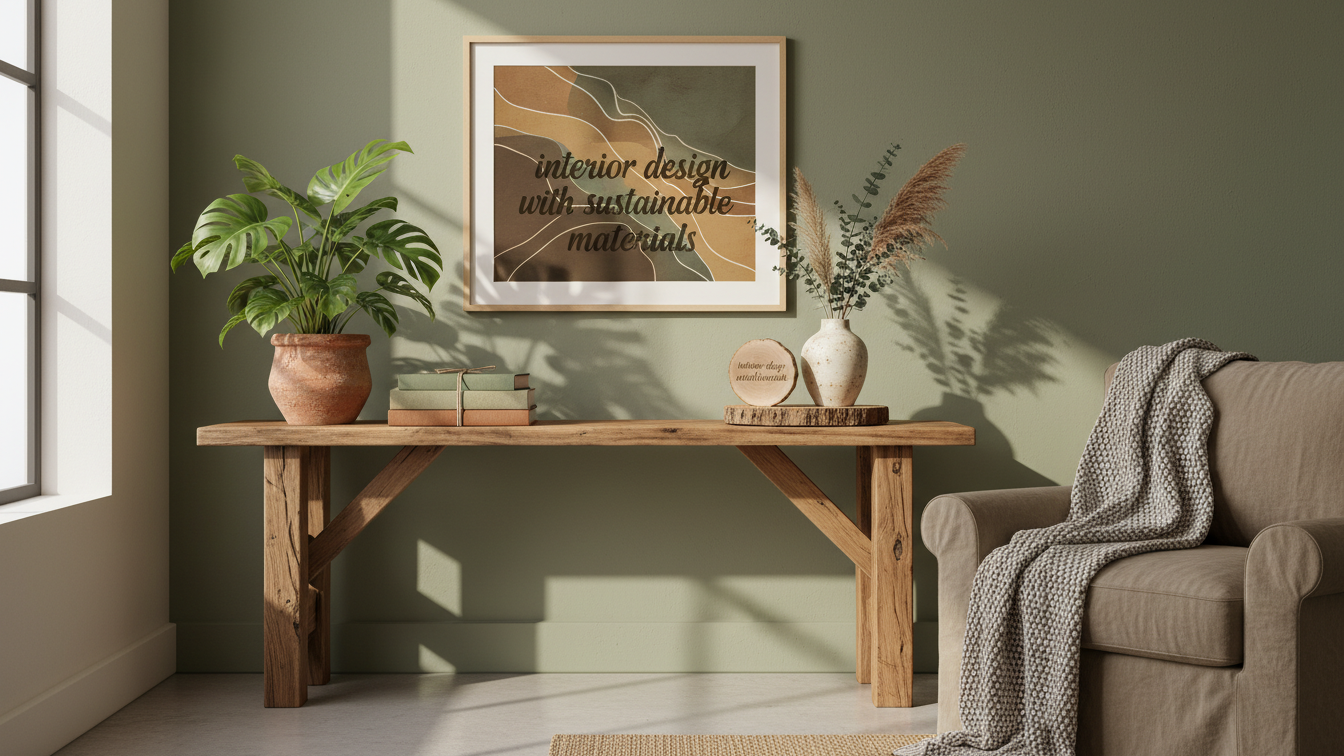
Embarking on an interior design project with sustainable materials is more than a trend; it’s a profound shift toward creating beautiful, responsible spaces. This approach consciously selects eco-conscious design elements that prioritize planetary and personal health.
By choosing renewable resources and non-toxic finishes, your home decor becomes a statement of care—for your family’s well-being and the environment’s future. It transforms any room into a sanctuary of style and substance, where every furnishing and finish tells a story of thoughtful stewardship. Let’s explore how your next design decision can cultivate a healthier, more harmonious home.
What Sustainable Materials Matter in Interior Design?
A sustainable material comes from good sources. It is recycled, renewable, or natural. It doesn’t harm the earth to make or throw away. Think bamboo, recycled glass, or reclaimed wood. These materials are the foundation of eco-conscious design. But buying them is only the first step. The next step is making them look beautiful in your home. That’s where styling comes in.
You can have the most ethical items. But if they are arranged poorly, the room won’t feel good. Good styling tips blend ethics with aesthetics. Your decorative objects need to work together. They should tell a story. Grouping objects with purpose is the secret. This creates aesthetic balance. It turns a collection of things into a designed space.
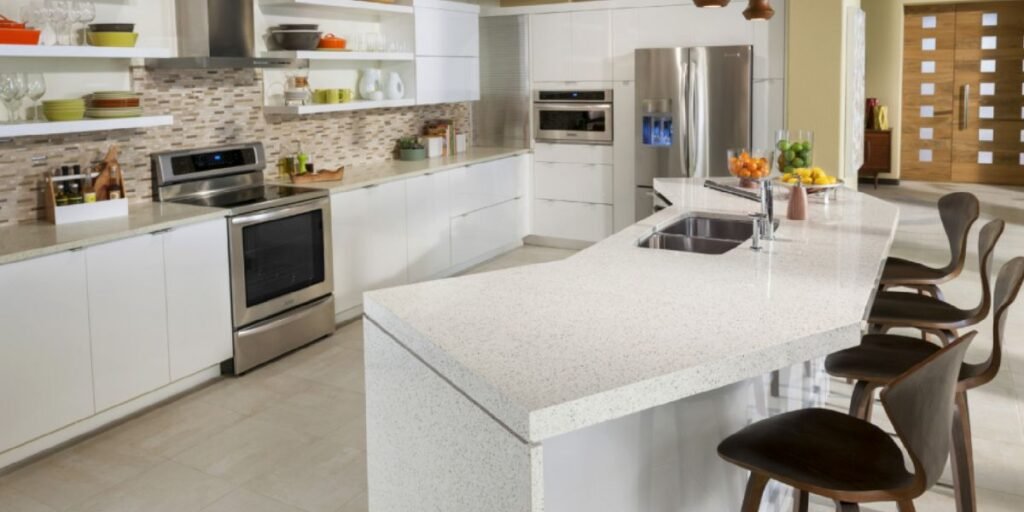
The Impact of Sustainable Design on Your Health and Well-Being
Sustainable materials are better for the air you breathe. They often have no bad chemicals. This makes your home healthier. But a well-styled space is better for your mind. Clutter and chaos cause stress. Order and beauty create calm. This is the true goal of home improvement. It improves your life in both seen and unseen ways.
When you arrange your decorative accessories well, you feel more peaceful. Your space becomes a sanctuary. The visual flow in interiors should feel easy. Your eye should move smoothly around the room. Using odd numbers helps achieve this flow. It stops a space from feeling too rigid or messy. This principle is key for visual balance. It makes your home feel welcoming.
The Magic of Odd Numbers: A Core Design Rule
Our brains find odd numbers more interesting. Even numbers can feel too formal and split. Odd numbers feel dynamic and natural. Think about nature. You often see groups of three or five in flowers or leaves. This is the aesthetic appeal of odd numbers. It is a simple design rule used by professionals everywhere. Decorating with 3, 5, and 7 items creates a little tension. Then it resolves it beautifully.
This is not a hard law. But it is a fantastic starting point. Styling with odd numbers gives you a framework. It helps you make decisions faster. Do you have two vases on a table? Try adding a third object. A stack of books or a small candle works well. Suddenly, the group has more visual interest. This is the rule of three in action. It is one of the easiest home styling essentials to learn.
| Number of Items | Why It Works | Best For |
|---|---|---|
| Three | Creates a simple, stable triangle. Perfect for beginners. | Coffee table styling, mantels, a set of candles. |
| Five | Allows for more variety and height changes. Looks collected. | Gallery wall clusters, shelves, a large console table. |
| Seven | Makes a bold, abundant statement. Use in spacious areas. | Large wall decor arrangements, big kitchen shelves. |
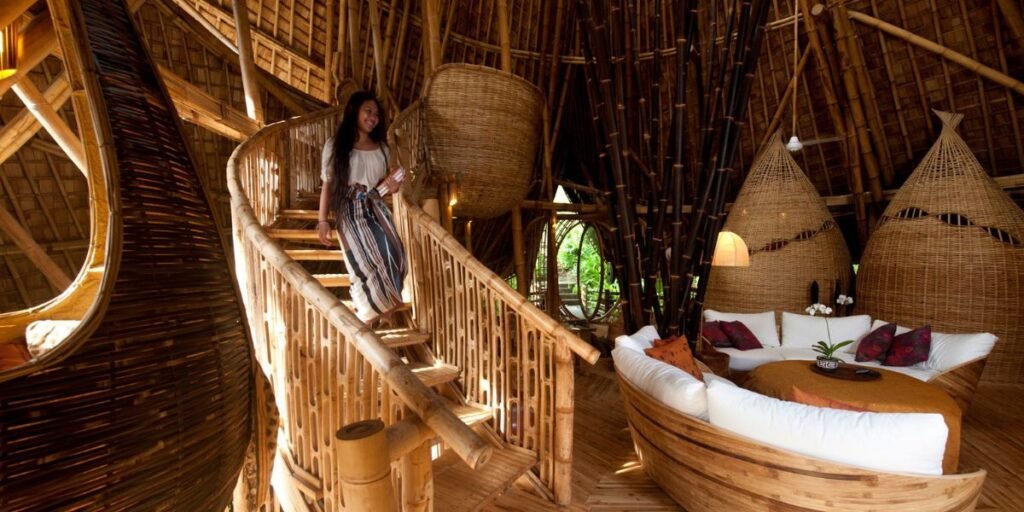
How to Build Your Groups: Shape, Height, and Texture
Now you know to use odd numbers. But what items should you group? The key is variety. Use designing with height and shape variations. Combine tall, medium, and short objects. Mix vertical lines with round shapes. Add different textures too. A smooth vase, a rough basket, and a glossy book look great together. This mix is crucial for grouping decor items successfully.
Think about aesthetic balance. A heavy item on one side needs balance. You can balance it with a couple of smaller items on the other side. This isn’t symmetry in interiors. It is visual weight balance. For example, a tall lamp on a side table is heavy. Balance it with a medium plant and a small stack of books on the other side. This creates a feel of symmetry in design without being perfect. Your accent pieces should talk to each other.
Styling Key Areas of Your Home
Let’s see how this works in real spots in your house. Start with your coffee table. This is a centerpiece in your living room. Coffee table styling needs three main things. First is height, like a tall tray or a vase. Second is something flat, like a book. Third is something organic, like a small plant. This makes a perfect trio. Remember vignette styling is just a small, thoughtful arrangement.
Next, look at your mantel. Mantel styling often feels tricky. Think of it as one big group or several small ones. You could place three vases of different sizes together. Or try five objects: a mirror, two candlesticks, and two small sculptures. Vary the heights in front of the mirror. This builds depth. For wall decor, don’t hang one small picture alone. Create a gallery wall with five, seven, or nine pieces. The odd number makes it feel complete.
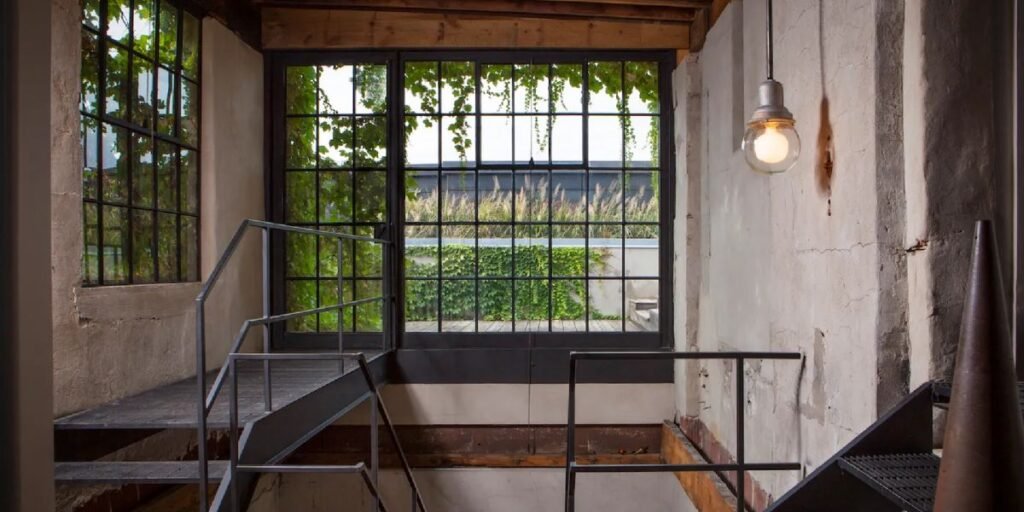
Bringing it All Together: Your Personal Style
These rules help you start. But your personal style in interior design is what matters most. The odd number rule is a guide. It is not a prison. After you arrange a group of three, look at it. Do you love it? Does it feel like you? Maybe your french farmhouse style needs a group of five rustic items. Maybe your modern style looks best with three sleek objects. Always adjust for your own taste.
Your home tells your story. The decorative elements you choose should be things you love. Art arrangement is very personal. Use the odd number rule to hang your art. But choose art that speaks to you. The same goes for furniture arrangement. Arrange your main seating in a conversational group. Often, a sofa and two chairs make a perfect trio. This encourages talking and connection. That is the real goal of room styling tips.
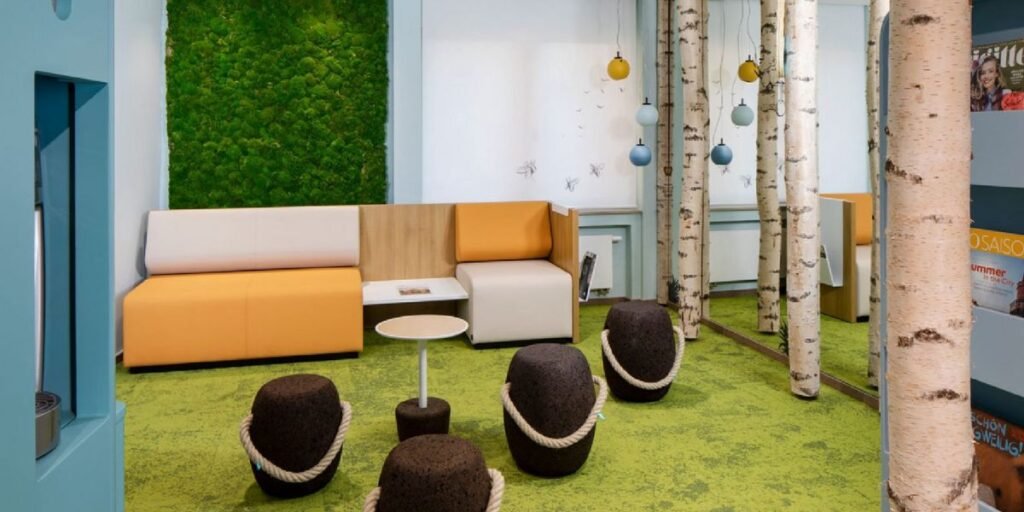
Conclusion: The Future of Sustainable Interior Design
The future of design is thoughtful. It uses sustainable materials wisely. It also arranges them beautifully. Mastering grouping objects is a superpower. It makes your home look and feel better. You don’t need to buy more things. You just need to style what you have with intention. Start with the rule of three. See how it changes a shelf or a table.
Your journey in home styling has just leveled up. You have a simple tool. Now go and create visual flow in interiors that feels magical. Remember, design rules are there to serve you. Use them to create a home that is healthy, beautiful, and uniquely yours. Your space will have aesthetic balance and tell your story perfectly. That is the best home improvement of all.